Your Oman Guide
Muscat
Muscat Governorate

Muscat

Oman’s capital between mountain and sea — grand mosques, old souqs, coastal roads and an easy introduction to the country.

Best October to April 2–3 nights Gateway: Muscat
The place

Coast, souqs & the Grand Mosque

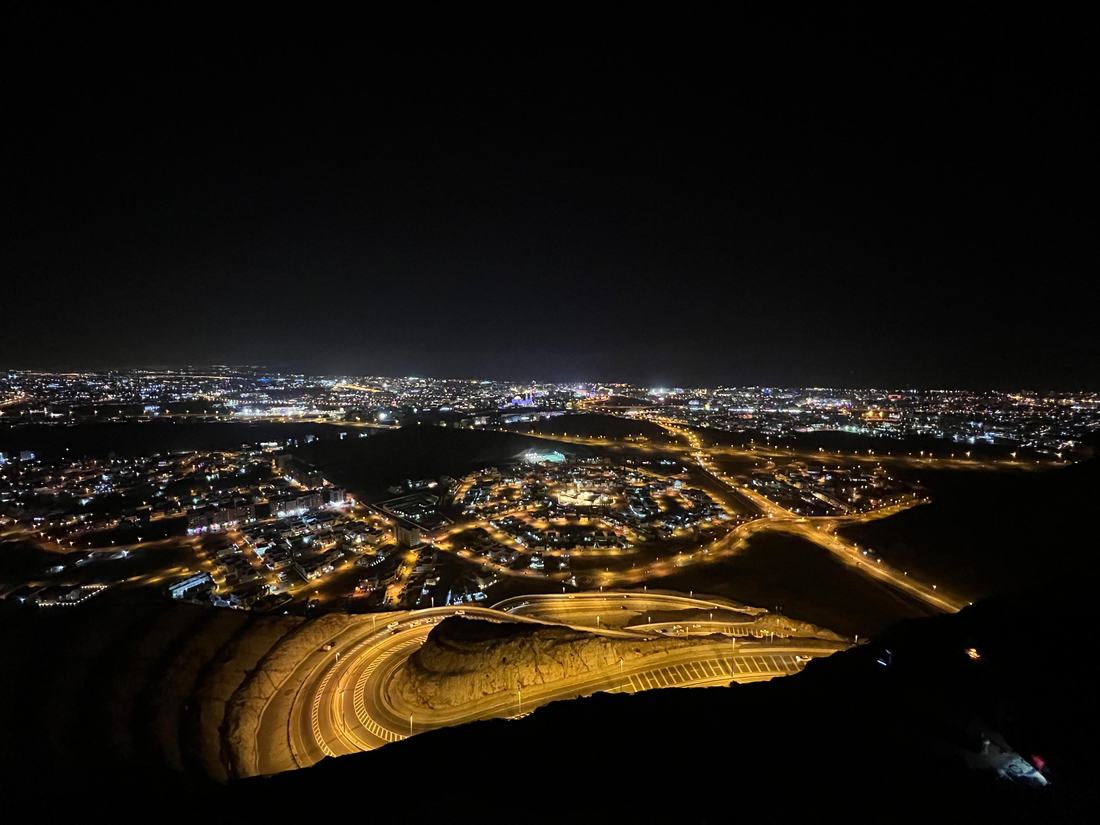
Muscat stretches between the Hajar Mountains and the Gulf of Oman, giving the capital a character quite different from many cities in the region. Low-rise neighbourhoods, rugged mountains and small coastal bays sit alongside mosques, museums, markets and the historic districts of Old Muscat and Muttrah.

Why visit Muscat

For many visitors, Muscat is the natural introduction to Oman. The Sultan Qaboos Grand Mosque, Muttrah Souq and the waterfront around Old Muscat reveal different sides of the capital, while the coastline, local restaurants and traditional neighbourhoods make it worth spending more than just a few hours here.

More than a stopover

Muscat works well as both the beginning and end of an Oman journey. Spend a day exploring the city’s main landmarks, take a boat trip along the coast, visit a museum, try Omani food or simply leave some time to wander Muttrah and the corniche at a slower pace.

A base for exploring Oman

The capital is also a convenient base for day trips into the mountains, wadis and coast. Nizwa, Wadi Shab and Bimmah Sinkhole can be reached from Muscat, while longer journeys can continue towards Jabal Akhdar, Jabal Shams, Sur and Wahiba Sands.
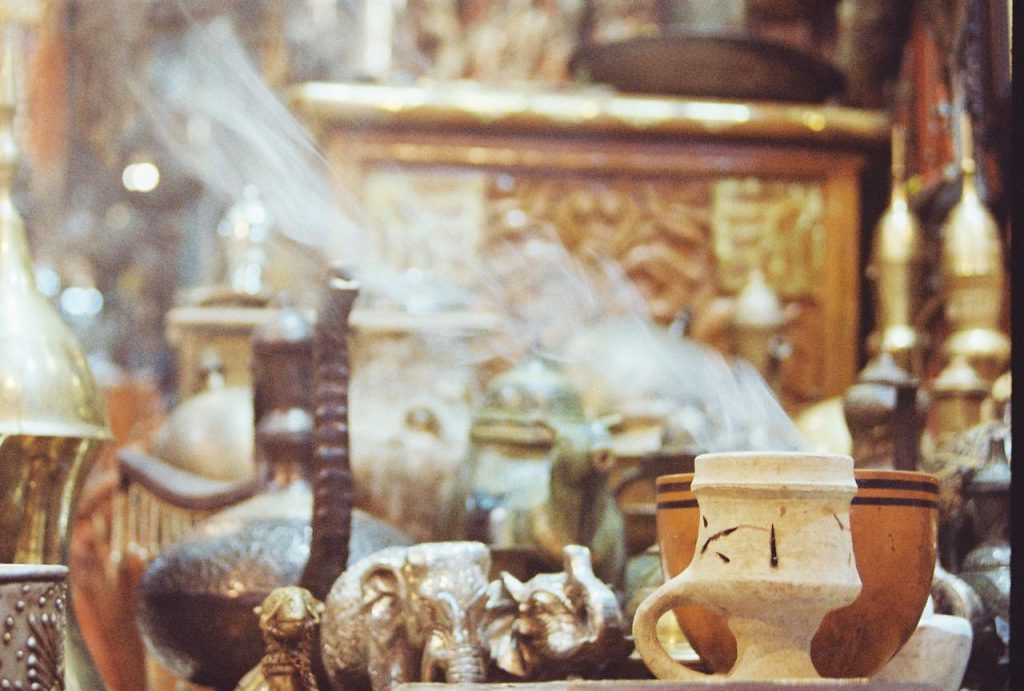
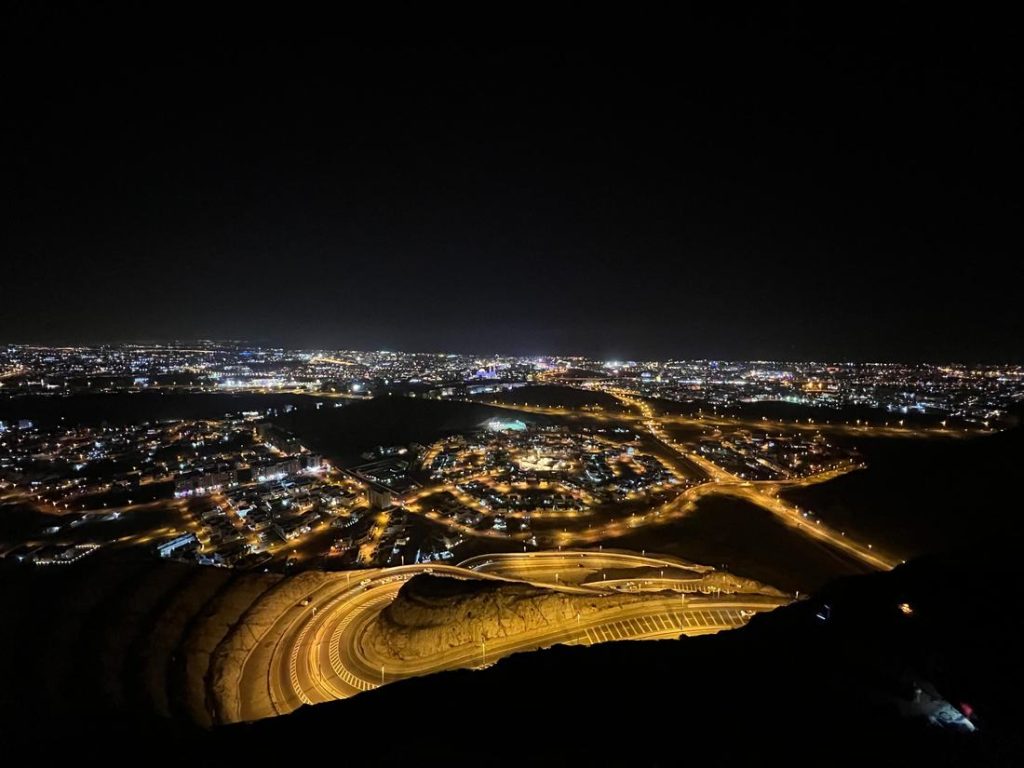
What you'll experience

Things to do in Muscat

01

Sultan Qaboos Grand Mosque

Visit one of Oman’s most important modern landmarks, known for its architecture, gardens and richly detailed prayer hall.

02

Muttrah & the Corniche

Walk along the waterfront, explore Muttrah Souq and discover one of the oldest commercial districts in Muscat.

03

Old Muscat

See Al Alam Palace and explore the historic area framed by the mountains and the old Portuguese forts.

04

Museums & Omani culture

Discover Oman’s history and heritage through museums such as the National Museum and Bait Al Zubair.

05

Explore the coast

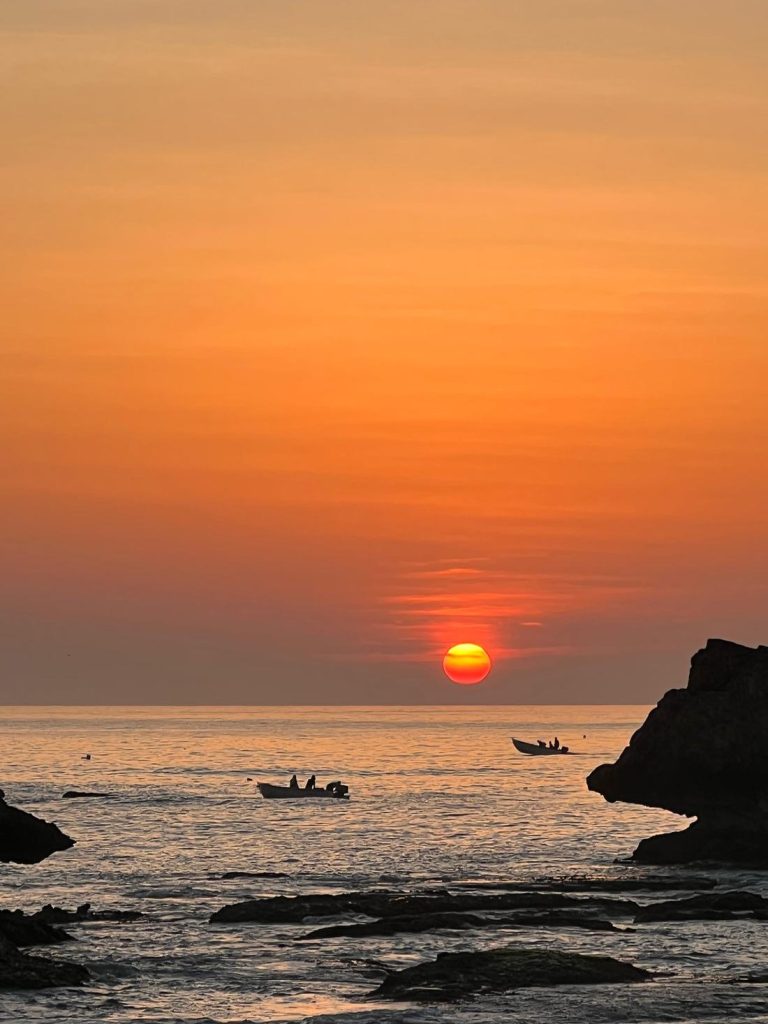
Follow Muscat’s shoreline between beaches, rocky coves and viewpoints, or see the city from the water on a boat trip.

06

Taste Muscat

Try Omani dishes, fresh seafood, halwa and coffee alongside the city’s wider mix of local and regional food.

Best time to go

When to visit Muscat

October–February

The most comfortable months for exploring Muscat, with cooler days that are well suited to walking, sightseeing and time outdoors.

March–April

Warm but generally pleasant, particularly in the mornings and evenings. A good period for combining the city with mountains, wadis and the coast.

May–September

Hot and humid, especially during the middle of the day. Sightseeing is best planned around early mornings, indoor stops and later afternoons.

Travel with us

Tours around Muscat

Private journeys that include this part of Oman.

Before you go

Good to know

Dress modestly when visiting mosques and traditional areas; mosque visitors should follow the specific dress requirements at the entrance.

The Sultan Qaboos Grand Mosque has designated visiting periods for non-Muslim visitors, so plan the visit around current opening hours.

Muscat is spread across a large area rather than centred around one compact downtown, so travelling between sights normally requires a car.

Friday is the main weekly prayer day and some attractions, shops and businesses may operate different hours.

Summer afternoons can be extremely hot and humid, so outdoor sightseeing is more comfortable early in the day.

Muttrah is particularly enjoyable in the late afternoon and evening when the temperature drops and the corniche becomes livelier.

Plan it your way

Build Muscat into your Oman journey.

Tell me your dates, interests and how long you have. I can help shape a private journey around the places you want to experience.